Essential Traveler Overview
Why This Spot is Iconic
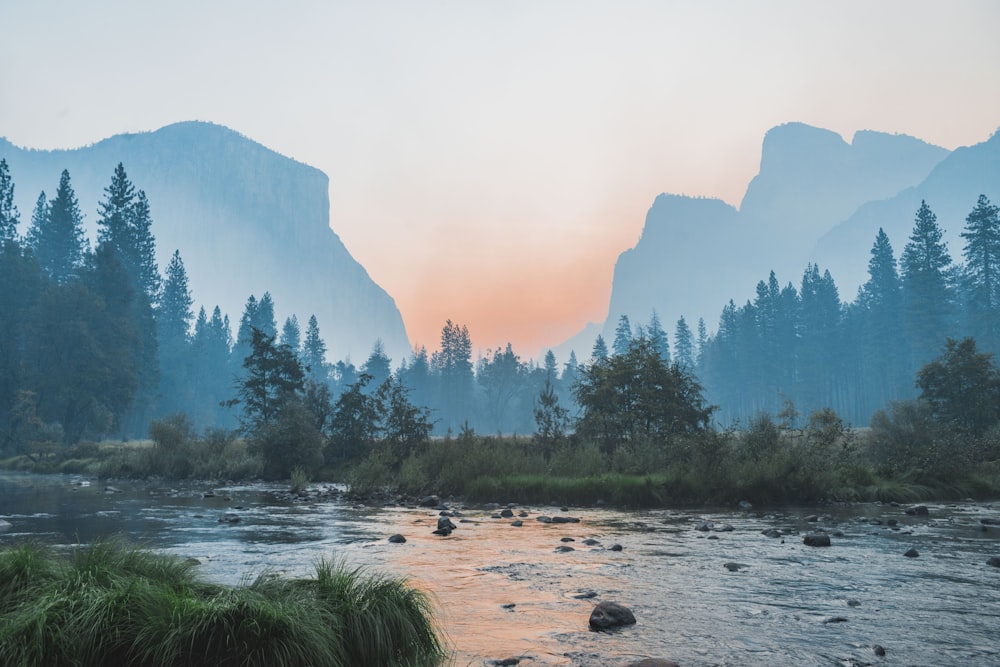
Laguna Torre is famous for its stunning glacial waters, framed by the imposing Cerro Torre, one of the most iconic mountains in Patagonia. The lake is a key attraction for hikers and photographers, thanks to its breathtaking views and the unique landscape surrounding it. The challenging trek to reach the lake adds to its allure, making it a popular destination for outdoor enthusiasts and adventure seekers. The areaÔÇÖs beauty and natural significance have made it a highlight within Los Glaciares National Park, drawing visitors from around the world.
Visitor Facilities & Amenities
Visitor Guidelines, Dress Code & Rules
Dress Code & Etiquette
While there is no strict dress code for visiting Laguna Torre, it is important to dress appropriately for the outdoor environment. Layering is key, as temperatures can vary significantly throughout the day. Sturdy hiking boots are essential for navigating the trails, and moisture-wicking fabrics are recommended to keep you comfortable. Respect the natural surroundings by not leaving any litter and staying on designated paths. As a courtesy to fellow hikers, maintain a reasonable noise level and be mindful of personal space on the trails.
Photography & Video
Photography is welcomed at Laguna Torre, but visitors are encouraged to be respectful of nature. Stay on marked trails and avoid disturbing wildlife. Drones are typically not allowed in the national park, so be sure to check local regulations before bringing one. Early morning and late afternoon provide the best lighting for photography, enhancing the vibrant colors of the lake and mountains.
Footwear Regulations
Sturdy, waterproof hiking boots are highly recommended for visiting Laguna Torre due to the rugged terrain. Proper footwear will provide support and traction, making the hike safer and more comfortable. Flip-flops or casual shoes are not suitable for the trails and should be avoided.
What to Bring
When visiting Laguna Torre, pack essentials such as water, snacks, and a first-aid kit. A good quality camera or smartphone is a must for capturing the stunning scenery. Layered clothing and a waterproof jacket are important due to unpredictable weather. A hiking pole can be beneficial for navigating uneven terrain, and a map or GPS device will help you stay on track. Sunscreen and sunglasses are also recommended to protect against UV rays, especially at higher elevations.
Heritage & Historical Significance
Laguna Torre holds historical significance as part of the Los Glaciares National Park, a UNESCO World Heritage Site. This designation highlights the park's unique glacial formations and biodiversity, emphasizing the importance of conservation efforts in the region. The park serves as a crucial habitat for various species and plays a vital role in scientific research, particularly in the study of climate change and glacial retreat. As a prominent feature in PatagoniaÔÇÖs landscape, Laguna Torre has also become a symbol of the region's natural beauty and a focal point for adventure tourism, attracting climbers and hikers from around the globe.
The history of Laguna Torre is intertwined with the exploration of Patagonia. The region was initially inhabited by indigenous peoples, including the Tehuelche and Mapuche tribes, who lived in harmony with the land for thousands of years. European explorers began to arrive in the 19th century, drawn by the areaÔÇÖs dramatic landscapes. The lake and Cerro Torre were first recorded in the early 20th century, capturing the attention of mountaineers and adventurers. The first successful ascent of Cerro Torre was made in 1974, solidifying the mountainÔÇÖs reputation as a climbing mecca. The establishment of Los Glaciares National Park in 1981 helped protect the unique ecosystems and natural beauty of the area, making Laguna Torre accessible to a broader audience while preserving its pristine environment.
Local Insider Secrets & Advice
Locals recommend starting your hike to Laguna Torre early in the morning to avoid the afternoon winds, which can be quite strong. It's also advisable to check the weather forecast before your hike, as conditions can change rapidly in Patagonia. Bring layers of clothing to stay comfortable, and wear sunscreen, as the UV exposure can be high even on cloudy days. If you're planning to camp near the lake, make sure to bring all necessary gear, as facilities are minimal. Engaging with local guides can also provide valuable insights into the areaÔÇÖs history and ecology.
When visiting Laguna Torre, be sure to take your time on the trail to fully appreciate the stunning landscapes. The trek offers numerous viewpoints where you can capture incredible photos of the lake and surrounding mountains. Early morning visits are recommended for the best light and fewer crowds. Don't forget to bring plenty of water and snacks, as there are limited facilities along the trail. The area is home to diverse wildlife, so keep an eye out for local fauna such as guanacos and condors. A visit to the nearby village of El Chalt├®n can enhance your experience with its charming atmosphere and local culture.
Interesting Facts & Trivia
- Laguna Torre is not only a visual marvel but also a site of geological interest. The lake is approximately 1.5 kilometers long and is surrounded by a stunning array of granite peaks and glaciers. The turquoise color of the water is due to the presence of glacial silt, which reflects sunlight in a unique way. Additionally, Cerro Torre is famous for its extreme weather conditions, making it one of the most difficult climbs in the world. The area is also a UNESCO World Heritage Site, recognized for its extraordinary natural beauty and ecological importance, making it a significant spot for conservation efforts.