Essential Traveler Overview
Why This Spot is Iconic
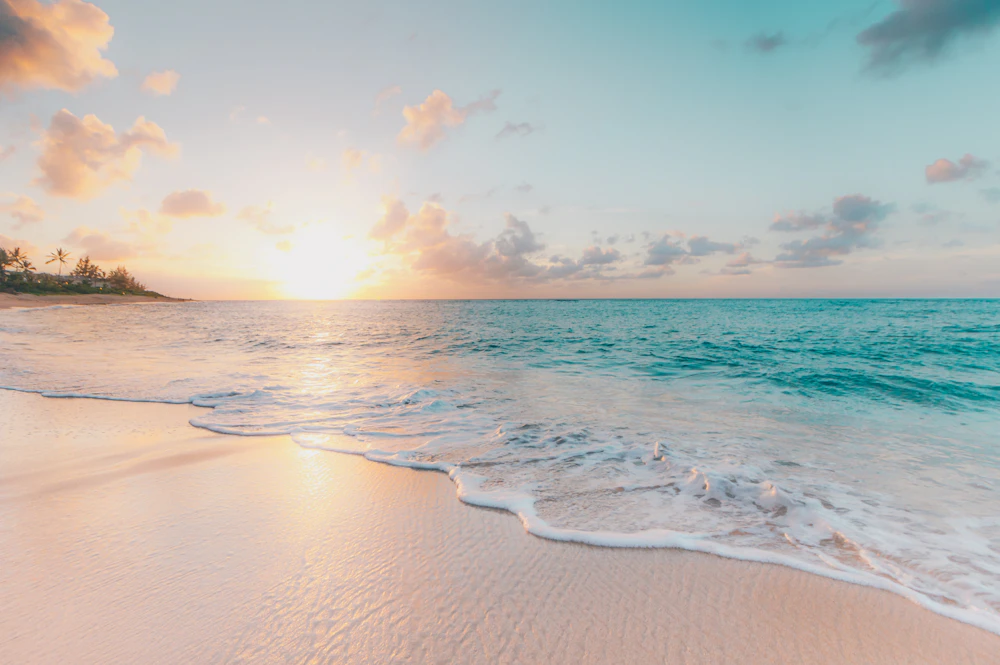
Mangue Seco is famous for its stunning natural beauty, featuring expansive sand dunes, crystal-clear waters, and a unique ecosystem. The area is particularly renowned among kitesurfers and windsurfers, thanks to its favorable wind conditions. Additionally, the tranquil atmosphere and picturesque landscapes make it a popular destination for travelers seeking relaxation and adventure. Its vibrant local culture and delicious seafood further enhance its reputation as a must-visit destination in Brazil.
Visitor Facilities & Amenities
Visitor Guidelines, Dress Code & Rules
Dress Code & Etiquette
When visiting Mangue Seco, casual beachwear is appropriate. Lightweight, breathable clothing is recommended due to the warm climate. Swimwear is acceptable at the beach, but it's advisable to cover up when visiting local establishments. Footwear should be comfortable, as visitors may walk on sand and uneven terrain. Respecting local customs and being mindful of noise levels in quiet areas is essential for maintaining a pleasant atmosphere.
Photography & Video
Photography is encouraged in Mangue Seco, especially for capturing the natural beauty of the dunes and lagoons. However, it is advisable to respect the privacy of local residents and avoid photographing individuals without permission. Drones are permitted but should be used responsibly, ensuring no disturbance to wildlife or other visitors.
Drone Regulations
1
Footwear Regulations
Casual and comfortable footwear is recommended for exploring the sandy and uneven terrain of Mangue Seco. Flip-flops or sandals are suitable for the beach, while sturdy walking shoes are advisable for excursions into the dunes or mangroves. Visitors should avoid high heels or formal footwear that may be impractical for outdoor settings.
What to Bring
Visitors should bring sunscreen, sunglasses, and hats to protect against the sun while enjoying the beach. A reusable water bottle is essential for staying hydrated, especially during outdoor activities. Additionally, packing a camera for capturing the stunning landscapes and wildlife is highly recommended. If planning on participating in water sports, consider bringing a swimsuit, towel, and any personal gear such as snorkeling masks. A light jacket may be useful for cooler evenings.
Heritage & Historical Significance
Mangue Seco holds historical importance as it showcases the evolution of coastal communities in Brazil. The area reflects the interaction between indigenous cultures and European settlers, contributing to the unique cultural tapestry of the region. Its development as a fishing hub is significant in understanding the local economy and traditions. Furthermore, the preservation efforts in Mangue Seco highlight the importance of protecting natural habitats while promoting sustainable tourism. This balance is essential for maintaining the area's cultural and ecological integrity for future generations.
Mangue Seco has a rich history that intertwines with the cultural heritage of the Ceará region. Originally inhabited by indigenous tribes, the area later saw the arrival of Portuguese explorers in the 16th century, leading to the establishment of fishing communities. Over the years, the beach has become a sanctuary for preserving local traditions while also adapting to modern tourism. The name 'Mangue Seco' translates to 'dry mangrove', referencing the unique coastal ecosystem that has developed over centuries. The region has transformed from a quiet fishing village to a popular tourist spot, balancing its historical roots with contemporary attractions. This transformation has allowed Mangue Seco to maintain its cultural significance while welcoming visitors from around the globe.
Local Insider Secrets & Advice
Locals recommend visiting Mangue Seco during the weekdays to avoid crowds, as weekends can get busy with tourists. ItÔÇÖs advisable to bring cash, as many small eateries and shops may not accept credit cards. Engaging with local fishermen can provide insights into the area's traditions and fishing practices. For a unique experience, consider joining a guided tour to explore the mangroves and learn about the local ecosystem. Lastly, be respectful of the environment by disposing of trash properly and minimizing your impact on the delicate coastal ecosystem.
When visiting Mangue Seco, be sure to explore the nearby dunes for breathtaking views and photo opportunities. The local fishing community offers boat tours, allowing visitors to experience the mangroves and lagoons up close. Don't miss out on trying the fresh seafood at local eateries, which often feature daily catches. For those interested in water sports, renting equipment or taking lessons from local shops is highly recommended. Finally, the best time to visit is during the dry season, from October to March, when the weather is optimal for outdoor activities.
Interesting Facts & Trivia
- Mangue Seco is home to diverse wildlife, including various bird species and marine life, making it a fantastic spot for nature enthusiasts. The beach is also famous for its stunning sunsets, which attract photographers and romantics alike. The area is a designated environmental protection zone, ensuring the preservation of its unique ecosystems. Additionally, the region's access to nearby lagoons provides opportunities for swimming and exploring the natural beauty surrounding the beach. Visitors can also experience local crafts and cultural events that showcase the area's rich heritage.