Essential Traveler Overview
Why This Spot is Iconic
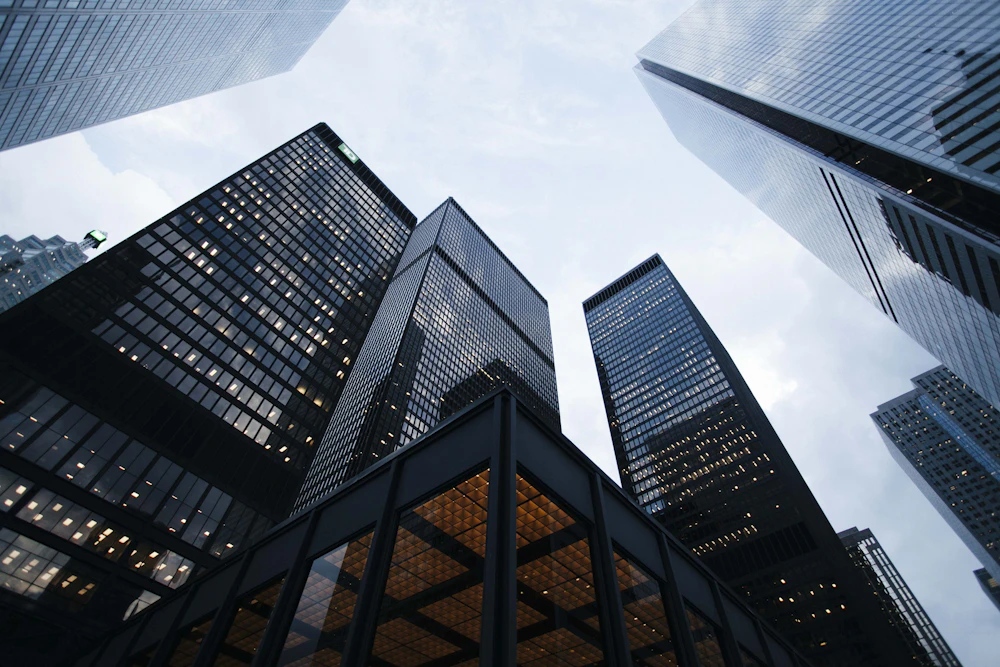
Paulista Avenue is famous for its cultural significance, vibrant atmosphere, and stunning architecture. It is a major financial center, housing numerous banks and corporations, while also being a hub for artistic expression and cultural events. The avenue attracts millions of visitors each year, especially on Sundays when it becomes a pedestrian zone, filled with street performers and activities. Its iconic landmarks, such as MASP and the Japan House, make it a must-visit destination for tourists and locals alike.
Visitor Facilities & Amenities
Visitor Guidelines, Dress Code & Rules
Dress Code & Etiquette
There is no strict dress code for visiting Paulista Avenue, but it is recommended to dress comfortably and casually, especially if you plan to walk around and explore. Lightweight clothing is advisable, particularly during the warmer months. Be respectful of the local culture and avoid overly revealing clothing. When visiting museums or cultural institutions, smart casual attire is appreciated.
Photography & Video
Photography is generally allowed in public spaces along Paulista Avenue. However, be respectful of individuals and seek permission before taking close-up shots of people. Some museums and galleries may have restrictions on photography, so always check for signage or ask staff for their policies.
Footwear Regulations
Wear comfortable footwear as you will be walking a lot. Sneakers or sandals are recommended to navigate the long stretches of the avenue and the surrounding areas.
What to Bring
When visiting Paulista Avenue, carry a reusable water bottle to stay hydrated, especially if youÔÇÖre walking around for an extended period. A portable phone charger is useful for capturing photos and navigating. Comfortable walking shoes are a must, as you'll likely be on your feet for several hours. If you're planning to visit museums, consider bringing a light jacket, as some indoor areas can be cool.
Heritage & Historical Significance
Paulista Avenue holds a significant place in São Paulo's history as a center of economic and cultural activity. Initially developed as a residential area, it quickly transformed into a commercial hub, attracting businesses and cultural institutions. The avenue has been the site of key historical events, including protests and demonstrations that shaped Brazil's political landscape.
Its architectural diversity showcases the evolution of the city, with buildings representing various styles and eras. Paulista Avenue not only reflects the growth of São Paulo but also serves as a symbol of the city's resilience and cultural richness, making it a vital part of Brazil's urban narrative.
The history of Paulista Avenue dates back to the late 19th century when it was envisioned as a residential area for the city's elite. The avenue was inaugurated in 1891 and quickly became a symbol of São Paulo's economic growth. Throughout the 20th century, it evolved into a commercial and financial center, with banks, offices, and cultural institutions establishing their presence.
In the 1960s, Paulista Avenue underwent significant changes when urban development projects transformed it into a major thoroughfare. As the city expanded, the avenue became a focal point for protests, cultural events, and social movements, marking its significance in Brazilian history. Today, it stands as a testament to São Paulo's evolution, reflecting both its historical roots and contemporary vibrancy.
Local Insider Secrets & Advice
Locals recommend visiting Paulista Avenue early in the morning for a quieter experience, especially on weekdays. Bring comfortable shoes for walking as the avenue is quite long and thereÔÇÖs much to see. DonÔÇÖt forget to try local snacks from street vendors, especially on Sundays. Be sure to check the schedules for cultural events and exhibitions at the museums, as many are free on certain days. Lastly, if you're interested in shopping, explore the side streets for boutique stores and artisanal shops.
When visiting Paulista Avenue, be sure to explore its key highlights, such as the S├úo Paulo Museum of Art (MASP), which offers free entry on Tuesdays. DonÔÇÖt miss the Japan House for a unique cultural experience, and take time to relax in Trianon Park. On Sundays, enjoy the lively pedestrian street, where you can find food stalls, musicians, and performers. Consider visiting during the week for a less crowded experience, and check out any special events or exhibitions happening at the various cultural institutions along the avenue.
Interesting Facts & Trivia
- Paulista Avenue is not only a financial hub but also a cultural hotspot, hosting over 100 institutions, including theaters, museums, and cultural centers. The São Paulo Museum of Art (MASP) is renowned for its impressive collection of Western art, housed in a striking modernist building. The avenue also features a variety of street art and murals, showcasing the city's artistic talent. Interestingly, it was one of the first streets in São Paulo to be illuminated by electric lights in 1908. Additionally, the avenue hosts the annual São Paulo Gay Pride Parade, one of the largest in the world.