Essential Traveler Overview
Why This Spot is Iconic
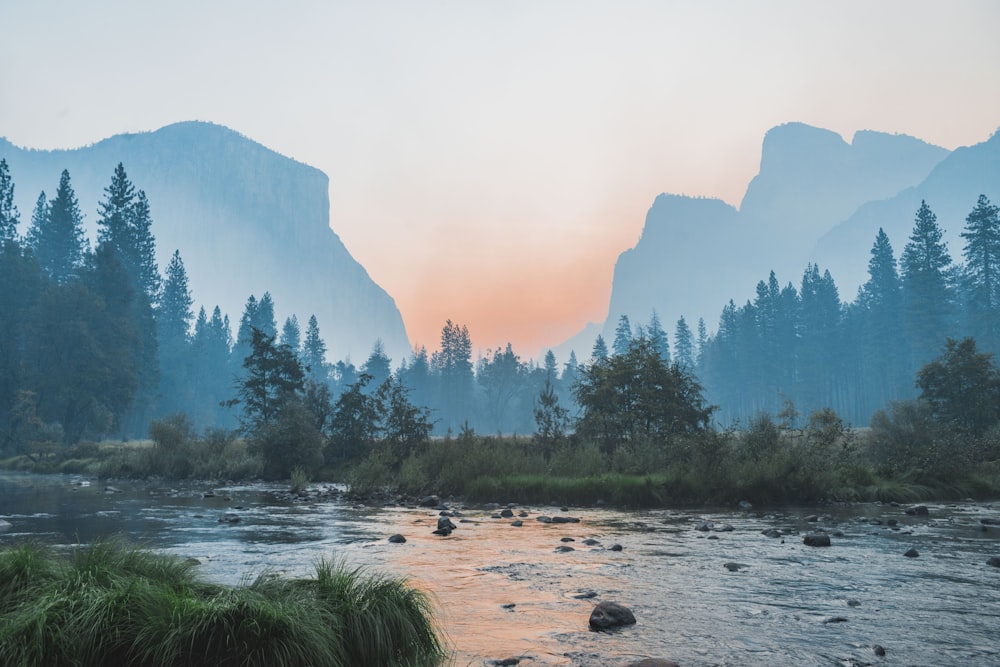
The Seven Lakes Route is famous for its stunning natural landscapes, including a series of picturesque lakes, each with its distinct character. It attracts photographers, nature lovers, and adventure seekers from around the world. The route provides easy access to outdoor activities such as hiking, fishing, and kayaking, making it a top choice for those wanting to experience the beauty of Argentine Patagonia.
Visitor Facilities & Amenities
Visitor Guidelines, Dress Code & Rules
Dress Code & Etiquette
When visiting the Seven Lakes Route, casual and comfortable clothing is recommended, especially if you plan on hiking or spending time outdoors. Dress in layers to accommodate changing weather conditions, and don't forget a good pair of sunglasses and a hat. Respect the natural environment by avoiding loud noises and leaving no trace behind. If you plan to swim or participate in water activities, ensure you have appropriate swimwear.
Photography & Video
Photography is allowed throughout the Seven Lakes Route, but visitors are encouraged to respect the natural environment and avoid disturbing wildlife. Drones may be restricted in certain areas, so it's best to check local regulations before flying.
Drone Regulations
1
Footwear Regulations
Good walking or hiking shoes are recommended for exploring the area, especially if you plan to hike along the trails. Flip-flops are not advisable for outdoor activities.
What to Bring
Visitors should carry essentials such as water, snacks, sunscreen, and insect repellent. A good pair of hiking shoes is recommended for those looking to explore the trails. A camera is a must for capturing the stunning landscapes, and binoculars can enhance the experience for wildlife watching. Additionally, a light jacket is advisable as temperatures can drop, especially near the lakes.
Heritage & Historical Significance
The historical significance of the Seven Lakes Route lies in its connection to the indigenous cultures that once thrived in the area, as well as its role in the development of tourism in Patagonia. The route has been instrumental in promoting the natural beauty of the region, helping to establish San Martín de los Andes as a key tourist destination. It reflects the ongoing relationship between humans and nature, showcasing both the preservation of the environment and the appreciation of cultural heritage.
The Seven Lakes Route has a rich history that dates back to ancient indigenous tribes such as the Mapuche who inhabited the region long before the arrival of European settlers. In the late 19th century, the area began to attract settlers and explorers, drawn by its stunning landscapes and abundant natural resources. The route was officially established in the mid-20th century as a tourist attraction, offering access to some of the most picturesque lakes in Patagonia. Over the years, it has become a popular destination for both local and international tourists. The regional government has invested in infrastructure improvements, making it more accessible while preserving the natural beauty that has captivated visitors for generations.
Local Insider Secrets & Advice
Local residents recommend starting the drive early in the morning to avoid crowds and fully enjoy the tranquility of the scenery. It's also advisable to check the weather forecast before heading out, as conditions can change rapidly in Patagonia. Many locals suggest packing a picnic and stopping at one of the many scenic spots along the route. Additionally, be sure to carry enough water and snacks, as amenities can be sparse once you leave San Martín de los Andes.
Key highlights of the Seven Lakes Route include the stunning viewpoints at Lake Espejo and Lake Correntoso, as well as the serene shores of Lake Mach├│nico. Visitors should take time to stop at the various lookout points to capture the breathtaking views through photographs. It is also recommended to explore the hiking trails around the lakes for a more immersive experience in nature. DonÔÇÖt forget to bring a picnic to enjoy by the lakeside, surrounded by the peaceful Patagonian landscape.
Interesting Facts & Trivia
- One interesting fact about the Seven Lakes Route is that it features not only seven lakes, but also several lagoons and rivers that contribute to its breathtaking scenery. The area is part of the Lanín National Park, which is home to diverse wildlife, including guanacos, condors, and even the elusive Andean deer. Additionally, the route is known for its unique geological formations, shaped by volcanic activity millions of years ago. The vibrant colors of the lakes and surrounding forests change with the seasons, offering a different experience throughout the year.