Essential Traveler Overview
Why This Spot is Iconic
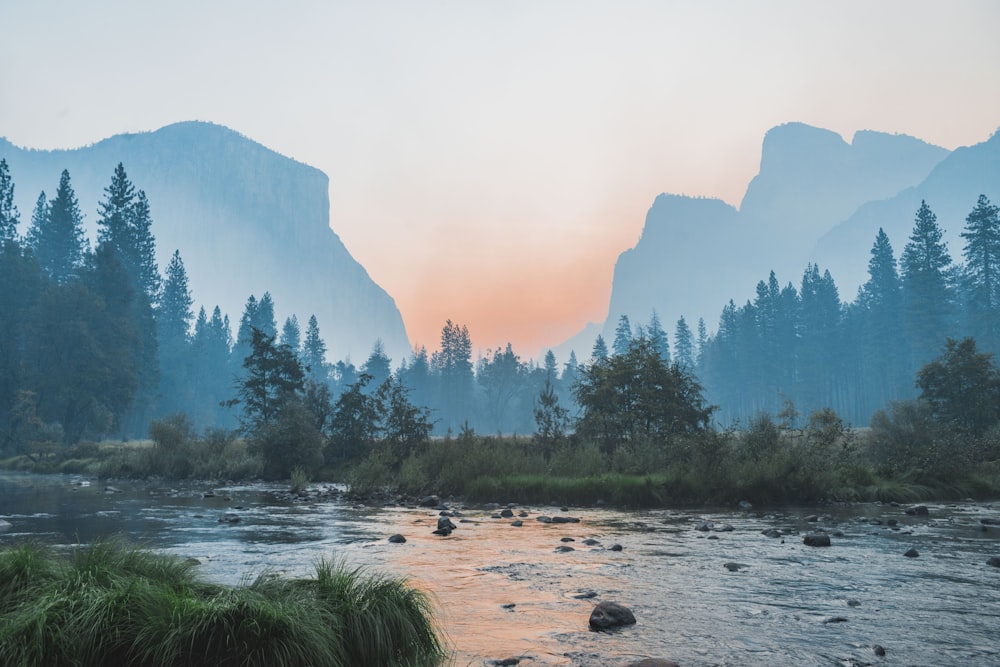
Lanin Volcano is famous for its striking beauty and challenging climbing routes. It is a popular destination for outdoor enthusiasts, offering breathtaking views from its summit. The surrounding Lanín National Park is renowned for its diverse wildlife and stunning landscapes, making it a favored location for hiking, climbing, and photography. Additionally, the region's rich cultural history and indigenous mythology contribute to its allure, attracting visitors from around the world.
Visitor Facilities & Amenities
Visitor Guidelines, Dress Code & Rules
Dress Code & Etiquette
Visitors to Lanin Volcano Base should dress appropriately for outdoor activities. Layered clothing is recommended to accommodate changing temperatures, and sturdy hiking boots are essential for navigating rugged trails. It is advisable to wear sun protection, including hats and sunscreen, as the sun can be intense at higher altitudes. Additionally, respecting the natural environment and adhering to 'Leave No Trace' principles is crucial for preserving this beautiful area.
Photography & Video
Photography is encouraged at Lanin Volcano Base, but visitors should respect the natural environment and avoid disturbing wildlife. Drones are prohibited in many areas to protect the ecosystem and ensure the safety of other visitors.
Footwear Regulations
Sturdy hiking boots are required for navigating the trails around Lanin Volcano. Flip-flops and casual shoes are not suitable due to the rugged terrain and potential for ankle injuries.
What to Bring
When planning a visit to Lanin Volcano Base, it's essential to carry sufficient water, snacks, and a basic first-aid kit. A map or GPS device can be helpful for navigation on the trails. Proper hiking boots, trekking poles, and weather-appropriate clothing are crucial for comfort and safety. Don't forget your camera to capture the stunning landscapes, as well as a power bank for your devices, as charging options may be limited in the wilderness.
Heritage & Historical Significance
Lanin Volcano holds historical significance as a symbol of the natural beauty and cultural heritage of the Patagonia region. It represents the geological forces that shaped the Andes and serves as a landmark for local indigenous communities. The establishment of Lanín National Park in 1937 marked a significant step towards conservation efforts in Argentina, ensuring the protection of its unique ecosystems. Furthermore, the volcano is a popular destination for mountaineers and hikers, contributing to the local economy and promoting ecological tourism.
Lanin Volcano has a rich geological history, formed thousands of years ago by volcanic activity that shaped the landscape of Patagonia. The indigenous Mapuche people have long revered the volcano, weaving it into their cultural narratives and mythology. The area was officially designated as a national park in the mid-20th century to protect its unique ecosystems and geological features. Explorers and scientists have been fascinated by Lanin since the 19th century, with various expeditions documenting its flora, fauna, and geological significance. The volcano also played a role in the development of tourism in the region, as more people began to discover the beauty of the Andes and the recreational opportunities available.
Mythology & Sacred Folklore
The Mapuche people believe that Lanin Volcano is a sacred mountain, imbued with spiritual significance. Local legends tell of a powerful spirit residing within the mountain, which protects the land and its people. According to these tales, the volcano is a guardian of the surrounding valleys and lakes, and its eruptions are seen as a manifestation of the spirit's anger. This deep-rooted mythology connects the indigenous communities to the land, fostering a sense of respect and reverence for the natural world.
Local Insider Secrets & Advice
Locals recommend visiting Lanin Volcano Base during the shoulder seasons of spring and autumn for fewer crowds and pleasant weather. It's advisable to start hikes early in the day to avoid afternoon storms, which are common in the summer months. Always check weather conditions before heading out, and inform someone of your hiking plans. For the best experience, consider staying in San Martín de los Andes, where you can find accommodations and local eateries to recharge after a day of exploring.
When visiting Lanin Volcano Base, make sure to explore the numerous hiking trails that lead to stunning viewpoints. The trail to the summit is challenging and requires proper gear, including climbing equipment for experienced hikers. Be sure to take plenty of water and snacks for your hike. Early mornings are the best time for photography, as the sunrise casts beautiful colors over the landscape. Additionally, consider joining a guided tour for expert insights into the region's flora and fauna.
Interesting Facts & Trivia
- Lanin Volcano is one of the most prominent peaks in the Patagonian Andes and is classified as a stratovolcano. It is known for its symmetrical cone shape and snow-capped summit, which is visible from miles away. The volcano is surrounded by a diverse range of ecosystems, including forests of lenga and coihue trees. Interestingly, the area is also home to various species of wildlife, including the endangered Andean condor. The region experiences a wide range of weather conditions, making it essential for visitors to be prepared for sudden changes in climate.